
Extended Producer Responsibility (EPR)
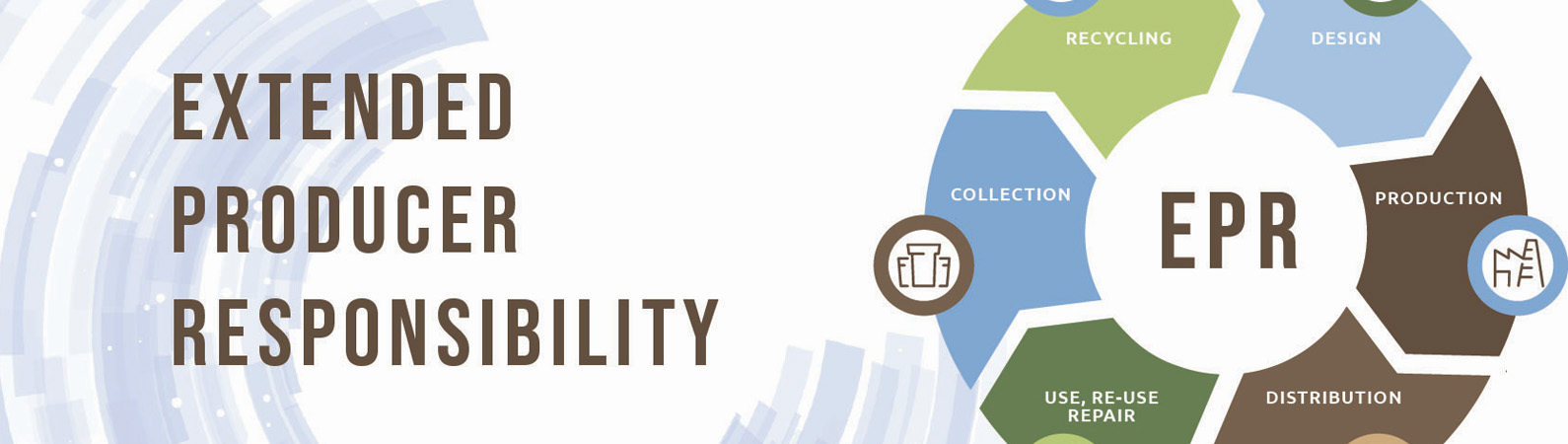
Take accountability for the product
Extended Producer Responsibility (EPR) is now central to global product stewardship. In India, producers and brand owners must take responsibility for post-consumer waste management. This applies specifically to plastics, batteries, electronics, tyres, and packaging materials. At SAGE Sustainability, our EPR Advisory helps you move beyond a simple box-ticking exercise. We view these regulations as an opportunity to embed circular thinking into your business. Strategic compliance can improve your product design, procurement, and recovery systems significantly.
We support you in developing end-to-end strategies that integrate policy compliance. Our team helps you design actionable plans that align with your long-term sustainability goals. This specialized EPR Advisory ensures you identify and onboard responsible Producer Responsibility Organisations (PROs). We also help you establish reliable traceability and reporting systems for your waste streams. Our approach focuses on building internal capacity and strengthening your vendor network. This ensures your operational benefits are maximized while minimizing environmental impact.
Strategic management of waste can become a driver for innovation and stakeholder trust. Our EPR Advisory helps you navigate the evolving legal landscape with clarity and confidence. We provide the technical expertise required to transform your supply chain responsibly. Clear reporting metrics allow you to demonstrate a commitment to [National EPR Frameworks]. Ultimately, a professional EPR Advisory ensures your business remains resilient against future regulatory changes. SAGE Sustainability provides the guidance needed to turn product responsibility into a lasting competitive advantage.
FAQ's
What is EPR and why does it matter now?
EPR places the responsibility for post-consumer product waste on producers. In India, it is mandatory under various MoEFCC notifications for plastics, batteries, e-waste, tyres, and more. Global markets are also adopting stricter EPR norms.
Does EPR only apply to manufacturers?
No. Importers, brand owners, and even online marketplaces are often covered under EPR rules. Each has specific obligations under the respective waste categories.
What are the basic EPR requirements in India?
Producers must register on the CPCB portal, submit annual EPR plans and quarterly returns, meet collection and recycling targets, and ensure certificates from authorised recyclers.
Can EPR be integrated with sustainability strategy?
Absolutely. EPR data can inform packaging redesign, procurement choices, waste reduction, and ESG disclosures.
How do you help with compliance documentation?
We help create data systems, validate vendor agreements, support registration and returns filing, and prepare audit-ready evidence packs.
What we offer
Applicability review across product lines and geographies
Support with CPCB/SPCB registration and portal management
Creation of EPR plans and submission schedules
Data structuring for material flows and target tracking
Identification and vetting of authorised recyclers
Due diligence and documentation support for audit-readiness
Our collaborative process:
Scoping and applicability
Map products, geographies, and roles (producer/importer/brand owner) to understand exact obligations.
Registration and plan submission
Guide you through registration and design your EPR plan with realistic targets and timelines.
Vendor vetting and data systems
Help identify credible recyclers, set up monthly data logs, and structure reporting workflows.
Return filing and documentation
Support accurate submissions with audit-ready evidence certificates, invoices, and declarations.
System strengthening and strategy
Use EPR as a lens to rethink packaging, procurement, reverse logistics, and consumer awareness.
Outcomes you can expect:
EPR compliance systems
Develop end-to-end documentation and systems to meet national and sectoral regulations..
PRO engagement and traceability
Select and onboard authorised Producer Responsibility Organisations with reporting clarity.
Circular economy integration
Embed take-back, recycling, and product stewardship principles into your product lifecycle.
Stakeholder and vendor readiness
Train internal teams and vendors to align with EPR norms and reporting schedules.
Brand credibility and risk mitigation
Reduce regulatory risks while demonstrating leadership in responsible waste management.
Where are you on your Environment Product Responsibility (EPR) journey?
If you are still managing EPR through ad hoc paperwork or vendor-run processes, it’s time to take ownership. We help you understand your regulatory footprint and turn compliance into a circular advantage.
Our approach
We combine legal clarity, documentation rigour, and sustainability thinking enabling your teams to meet targets, reduce risks, and build circular accountability across your value chain.
Why Choose SAGE for your Environment Product Responsibility (EPR)?
We have helped clients across plastics, electronics, and packaging sectors go from fragmented processes to full EPR compliance. With SAGE, you get more than form-filling- you get systems, insights, and sustainable thinking.
.

