
Navigating India’s Urban Future: Key Sustainability, Governance, and Market Trends in Real Estate
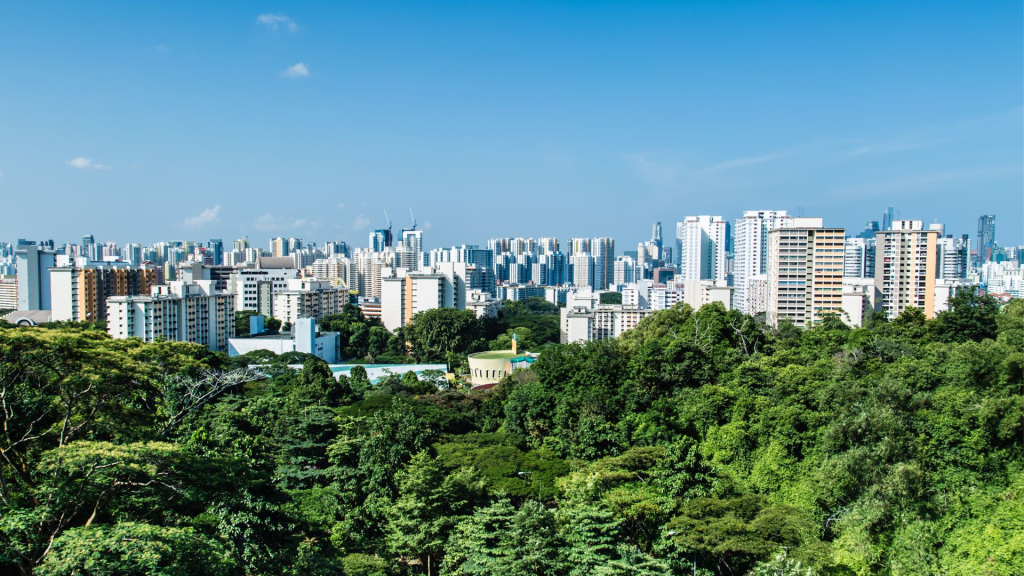
The Indian real estate sector is undergoing a profound transformation, driven by accelerating urbanisation, evolving consumer preferences, and a growing emphasis on environmental responsibility. This shift highlights a commitment to sustainable urban development and a proactive approach to governance, innovation, and stakeholder engagement.
The study was conducted on real estate companies in the BSE top 1000 list, along with one NSE-listed company (market cap ₹37,000 crore), focusing on those with publicly available sustainability reports to assess sectoral trends.
Sustainability Takes Center Stage
Sustainability has moved from the periphery to the core of real estate strategy in India. The regulatory landscape has matured significantly with SEBI introducing the Business Responsibility and Sustainability Reporting (BRSR) framework in 2021, replacing the earlier BRR framework. Among companies reviewed, 38.5% publish a combined Annual Report, BRSR, and Sustainability Report, indicating higher disclosure maturity. Globally recognised frameworks are increasingly adopted, with 62% of analysed companies using the GRI framework and 38% incorporating the IR framework.
Critical Environmental Priorities:
- Water Management: Identified by 85% of companies as the most significant environmental material area, with 61% disclosing specific targets and 53% adopting Zero Liquid Discharge practices
- Circular Economy: Identified as the second most important environmental material area by approximately 77% of companies. All top 1,000 BSE/NSE companies disclose data on waste generation and disposal, and 46% practice source segregation to facilitate more efficient recycling and reuse.
- GHG Emissions: Over half the companies have set net-zero emission targets, with timelines ranging from 2035 to 2050, and 69% adopting renewable energy solutions
Supply Chain Sustainability: Local procurement is prioritised by 92% of companies, while 85% collaborate with MSMEs. A strong commitment to greener supply chains is evident, with 76% achieving up to 50% or more sustainable procurement, and 46% adopting construction material reuse programs.
Governance and Diversity Evolution
The sector is redefining corporate governance benchmarks with formalised stakeholder engagement. All companies have identified investors and vendors as key stakeholders, with most recognising customers, communities, and employees. Board diversity shows significant progress, with major players achieving 23% average female representation and 51% independent directors on average.
Workforce diversity is gaining momentum, with leading companies achieving 32% female representation, more than double the 15% sector average. Seven of the thirteen major players reviewed have surpassed the sector’s average of 23% for women on boards.
Market Dynamics and Green Building Revolution
The market is experiencing dynamic shifts with younger populations increasingly preferring rental flexibility. Commercial real estate is being revolutionised by flexible workspaces, while co-living and co-working spaces represent the future alongside sustainable infrastructure developments.
Technology integration is transforming the industry through virtual property tours, AI-driven pricing models, and data analytics, enhancing transparency and customer experience. PropTech-focused accelerators are supporting technology-driven startups and disruptive solutions.
Green Building Market Growth: India’s green building market generated $29.2 billion in 2022, growing at 7.5% CAGR from 2017-2022. The country ranks third globally for LEED certification in 2023 with 248 approved projects, and 65% of office buildings are now green-certified. Green buildings offer compelling benefits—reducing emissions by 35% and maintenance costs by 20%.
Resilience Amid Complexity
Despite formidable challenges, the sector demonstrates remarkable adaptability and resilience. Housing affordability remains a critical concern, particularly in metropolitan areas where escalating land prices create widening supply-demand gaps, forcing developers to balance rising costs with accessibility imperatives. Additional complexities include high transaction costs, regulatory hurdles, increasing construction expenses, and geographically varying regulations that complicate project execution timelines.
Yet these challenges exist within a fundamentally favorable context—India’s demographic growth and rapid urbanisation continue generating robust demand for both residential and commercial spaces, even amid global uncertainties. This underlying strength provides the foundation for sustained growth while the industry addresses structural constraints.
Integration and Innovation
The transformation journey requires integrating biophilic and sustainable design principles into urban planning frameworks, combining traditional architectural wisdom with cutting-edge technologies to create resilient, eco-friendly cities. This integration must align with India’s ambitious net-zero emissions goal by 2070, positioning the real estate sector as a critical enabler of national climate commitments.
Success depends on the industry’s ability to simultaneously address affordability constraints, navigate regulatory complexities, and leverage emerging opportunities in sustainability, technology, and governance. The sector’s demonstrated adaptability and resilience provide confidence that it can orchestrate this complex transformation while maintaining growth momentum and delivering value to all stakeholders.
The Indian real estate sector stands at an inflection point where sustainability, governance excellence, and technological innovation converge to redefine urban development paradigms. By embracing this convergence, the industry is not merely responding to change—it’s actively shaping a greener, smarter, and more inclusive urban future that will define India’s next chapter of growth.

